- Wood and stone collection routes
- Returning full Resource Collectors to a Refinebot
- Players who need a recoverable work truck rather than a huge harvester
Workshop blueprint / UTL-06
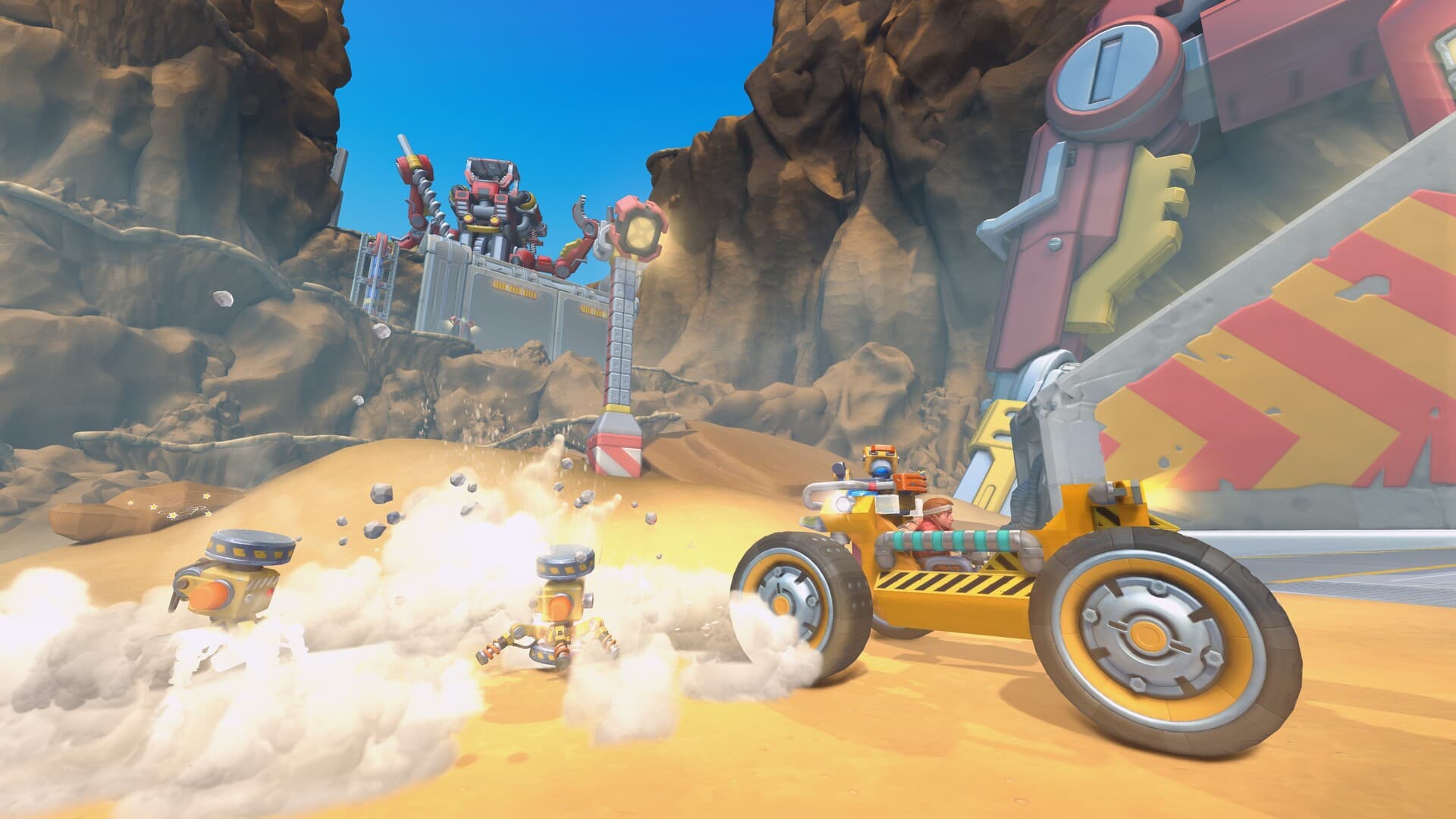
Resource Collector Truck - Separate Work from Transport
A six-wheel utility truck that separates the driving chassis from a replaceable Resource Collector module.
Intermediate50–75 minutes1–2 mechanicsVersion 1.0
- The route is too narrow for a six-wheel chassis
- You cannot unload full collectors at the workshop
- The collection head blocks steering or driver visibility
Workshop baseline
Use these dimensions and targets for the first working version. They are a practical starting layout, not a fixed in-game preset; adjust them only after the baseline passes its tests.
Plan the craftable parts →- 01Footprint
- 14 × 24 blocks
- 02Wheel layout
- 6 wheels / front steering
- 03Collectors
- 2 low-mounted units
- 04Suspension
- 6 Off-Road units
- 05Module control
- Independent Switch
- 06Tune state
- Collectors loaded
02 / Prepare the bench
Part manifest
The quantities below describe one baseline build. Optional parts are marked so you can prove the working system before spending on lighting, storage, or automation.
PartQtyJob in this buildPriority
Direct crafting cost
This total multiplies each listed part by its preferred Craftbot or Mechanic Station recipe. Processed materials and block recipes are shown as direct inputs instead of being expanded into every earlier production step.
- Craftable part types
- 9/9
- Station time
- 6m 9s
- Input types
- 10


112 neededMetal Block Level 1
Craftbot12 batches · 1mAvailable from the start
Scrap Metal Block × 240

6 neededWheel
Craftbot6 batches · 1m 30sAvailable from the start
Wood Block Level 1 × 120Metal Block Level 1 × 30Beeswax × 18

8 neededBearing
Craftbot8 batches · 40sAvailable from the start
Metal Block Level 1 × 8

6 neededOff-Road Suspension Level 1
Craftbot6 batches · 1mAvailable from the start
Metal Block Level 1 × 120Component Kit × 6Crude Oil × 12

1 neededDriver's Seat Level 1
Craftbot1 batch · 30sAvailable from the start
Metal Block Level 1 × 20Component Kit × 2Circuit Board × 1Cotton × 10

1 neededGas Engine Level 1
Craftbot1 batch · 30sAvailable from the start
Metal Block Level 1 × 20Component Kit × 5Circuit Board × 1Crude Oil × 5

2 neededResource Collector
Mechanic Station2 batches · 24sAvailable with its crafting station
Metal Block Level 1 × 80

1 neededSwitch
Craftbot1 batch · 5sAvailable from the start
Metal Block Level 1 × 1Circuit Board × 1

1 neededLarge Chest
Craftbot1 batch · 30sGrowlab reward
Metal Block Level 2 × 20Circuit Board × 5Glue × 5
04 / Build in testable systems
Construction sequence
Do not place the next system until the checkpoint under the current stage is true. That keeps steering, motion, power, and storage failures separate.
01
Build the truck without collectors
Prove steering, suspension, and braking on a bare utility chassis.
- Build a low 14 × 24 frame with a reinforced module end.
- Mount six suspension units at matching settings.
- Road-test using temporary weight equal to two loaded collectors.
02
Define the resource path
Keep loose logs and stone away from wheels and the seat.
- Mark the entry side for loose resource objects.
- Add side boundaries leading toward the collectors.
- Leave an open manual unloading side.
03
Attach a serviceable module
Let the collection section fail without disabling the truck.
- Mount both collectors low and close to the wheelbase.
- Use a short reinforced interface, not decorative bodywork.
- Keep weld points and the module Switch visible.
04
Tune the full return load
Make the loaded trip the final acceptance test.
- Fill or simulate both collectors.
- Drive the roughest part of the planned route.
- Adjust suspension equally by axle and keep engine power below rollover speed.
Workshop tools
Each tool below has a specific job in this build. Finish that job, then move to the next stage instead of wiring and tuning everything at once.

Frame and field recovery
↗Lift
Supports the long chassis and recovers it after a loaded rollover.

Module changes
↗Weld Tool
Attaches or replaces the collection module at a clear interface.

Commissioning
↗Connect Tool
Keeps drive and collection controls separate.

Jam clearing
↗Sledgehammer
Moves loose resource objects away from wheels during manual recovery.
Connection map
Read each row from input to output. Name or color the physical controls to match this map before closing the bodywork.
Driver's SeatTruck drive
→Gas EngineModerate loaded power
Gas EngineTraction
→Drive bearingsMatched wheel direction
Module SwitchJam isolation
→Collection mechanismIndependent toggle
Driver's SeatPredictable steering
→Steering bearingsFront axle only
07 / Commission the build
Test bench
Run these checks with the normal load fitted. If one fails, make the listed physical change and repeat that same test before changing another variable.
TestPass conditionIf it fails
Full collector route
Steering remains responsive on the return
Move collectors toward the center and reduce power
Loose object containment
Logs and stone stay clear of wheels
Add guides and lower approach speed
Module disabled
Truck reverses and returns without the tool
Separate structure and control connections
Scenario variants
Change the proven baseline for the route or job you actually have. Every upgrade adds a tradeoff, so repeat the test bench afterward.
Open the rear module and favor long object guides
Longer vehicle
Use a lower enclosed collection bay
More frame weight
Design collector placement for direct workshop unloading
Less flexible cargo layout
Next workshop file
View all 11 blueprints →Compare another build
Vehicles
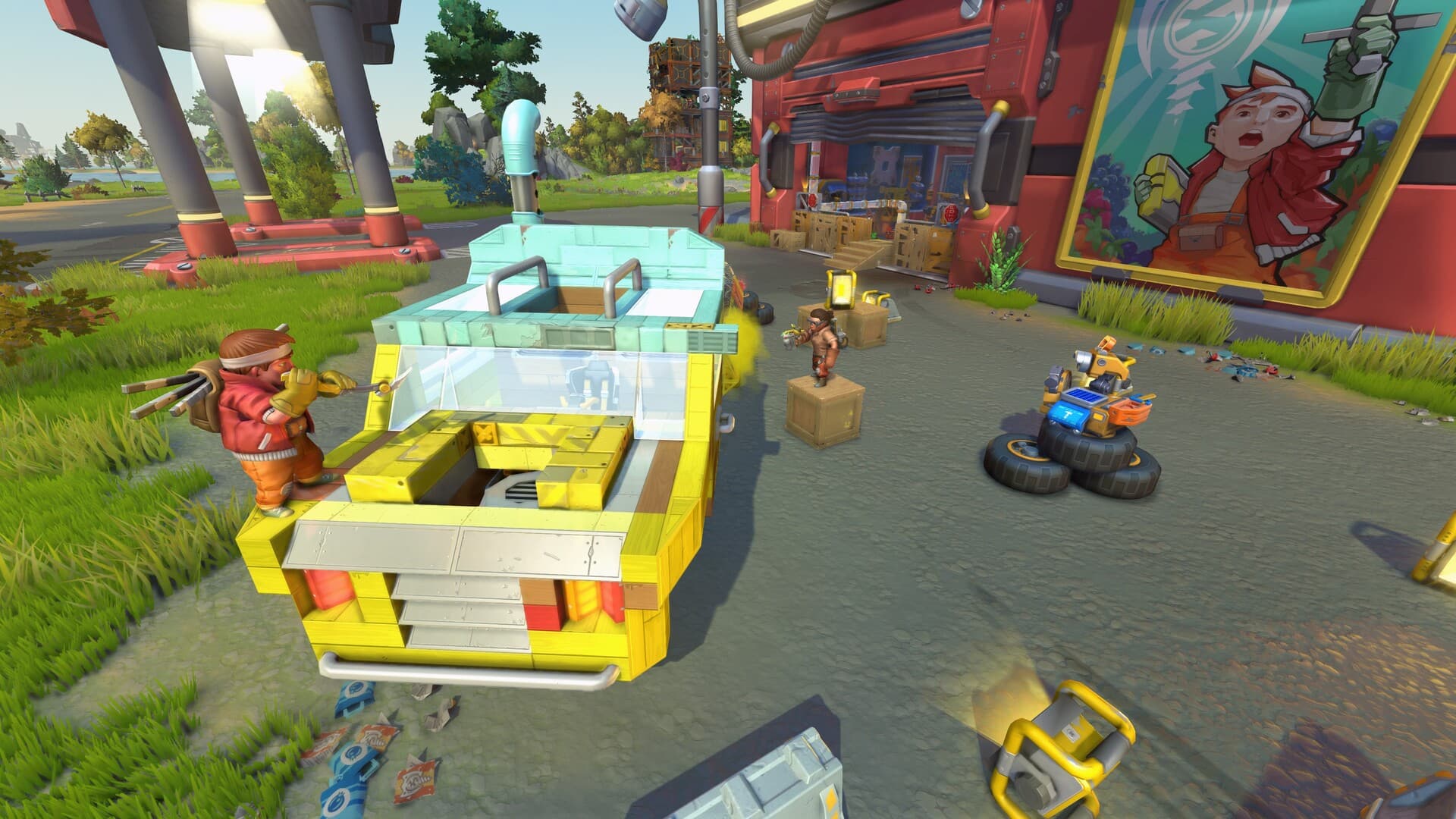
Starter Car - A Low, Repairable Chassis
A simple vehicle pattern built around clear connections, a low center of mass, and easy repairs.
Mining
Mining Vehicle - Stable Tool Contact
Plan a mining vehicle around controlled tool pressure, frame strength, and safe collection.
Farm Machines
Automatic Watering - A Repairable First System
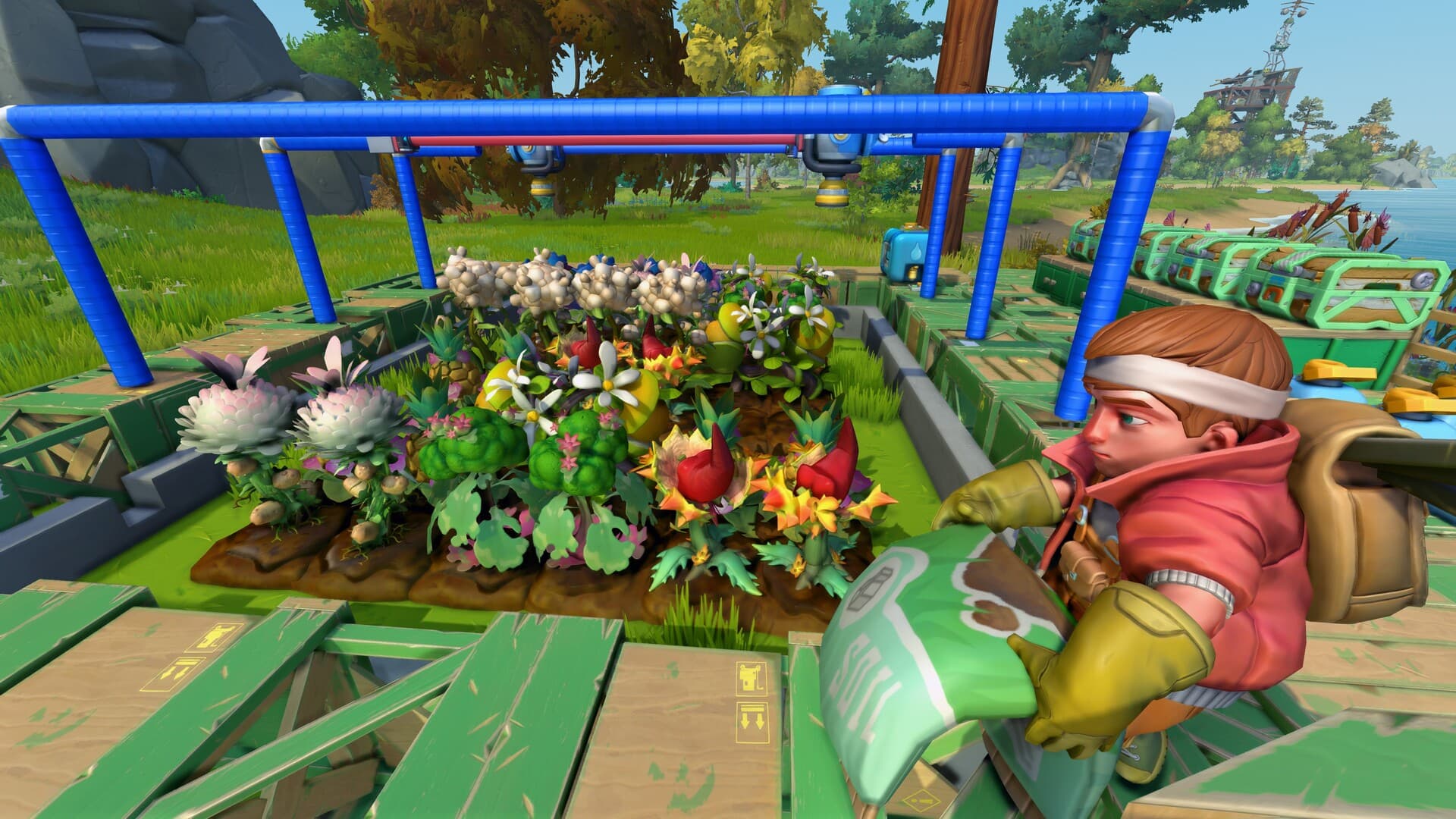
Automate a small farm with a simple signal path and a watering arm you can inspect.